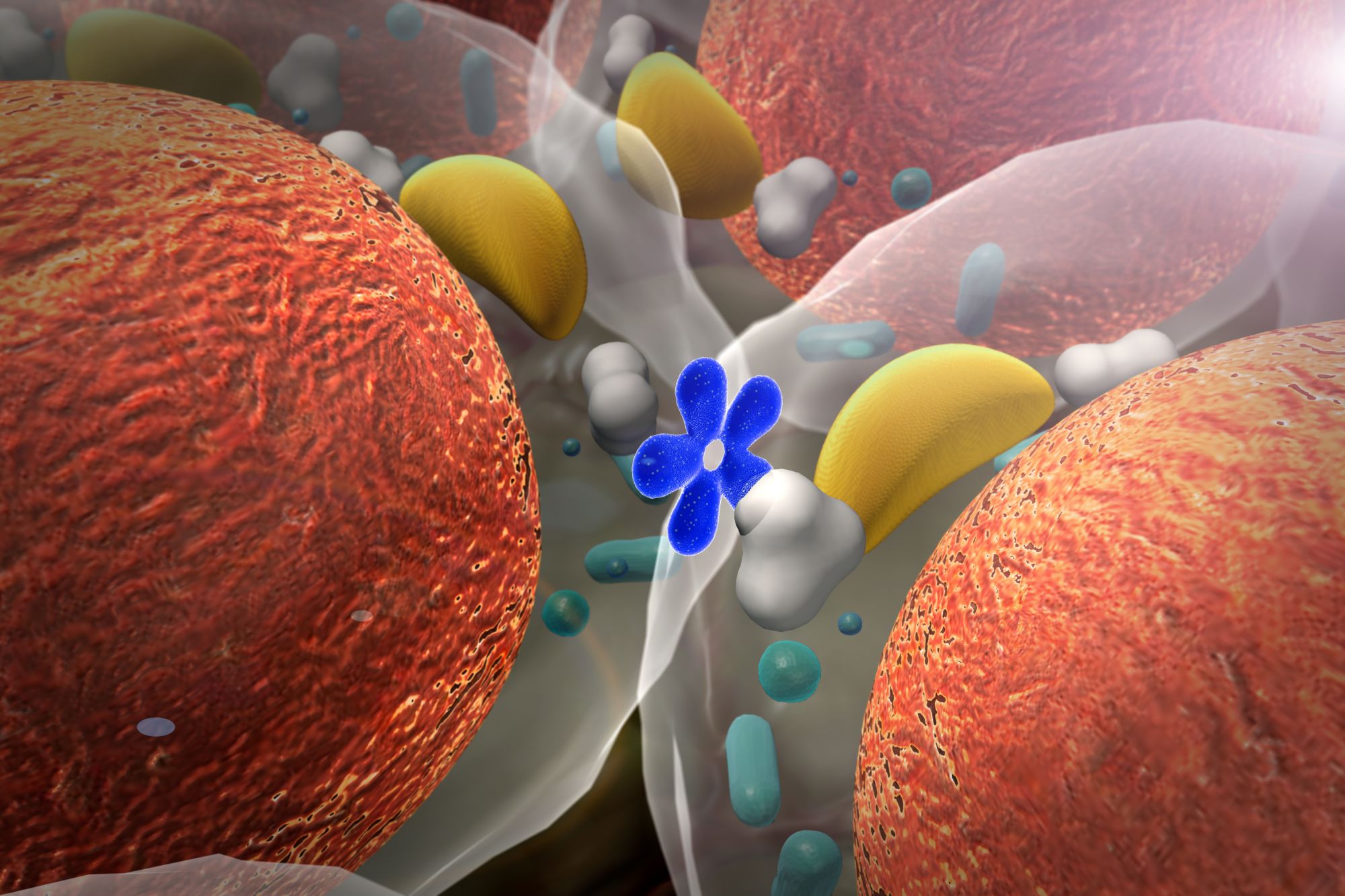
The journey of in-vitro fertilization (IVF) is complex, requiring a precise balance of medical expertise, advanced technology, and biological factors. One of the most crucial aspects of IVF success is hormonal support. Hormones play a pivotal role in regulating ovulation, preparing the uterus for implantation, and sustaining pregnancy. At Dr. Chaitali Taware’s Fertility Clinic, we ensure that each patient receives the best hormonal management for optimized results.
In this blog, we will explore the importance of hormonal support in IVF, the different types of hormone treatments, and how they contribute to the success of the procedure.
Understanding Hormones in IVF
Hormones are chemical messengers that regulate various reproductive functions. During an IVF cycle, hormonal medications are administered to mimic or enhance natural processes, increasing the chances of conception. The primary hormones used in IVF include:
Follicle-Stimulating Hormone (FSH) – Stimulates the growth of ovarian follicles.
Luteinizing Hormone (LH) – Works with FSH to trigger ovulation.
Human Chorionic Gonadotropin (hCG) – Supports egg maturation and prepares for retrieval.
Progesterone – Prepares the uterus for embryo implantation and sustains pregnancy.
Estradiol (Estrogen) – Maintains the uterine lining and supports early pregnancy.
Stages of Hormonal Support in IVF
1. Ovarian Stimulation
The first step in IVF involves stimulating the ovaries to produce multiple eggs rather than the single egg released in a natural cycle. FSH and LH injections are administered to encourage follicular growth.
Why is Ovarian Stimulation Important?
Increases the number of mature eggs available for retrieval.
Enhances the chances of selecting high-quality embryos.
Provides better success rates compared to a natural cycle.
2. Ovulation Triggering
Once the follicles reach the optimal size (18-22mm), a trigger shot containing hCG or GnRH agonists is given to mature the eggs and prepare them for retrieval.
Key Benefits of hCG Trigger:
Ensures eggs are fully matured before retrieval.
Prevents premature ovulation, ensuring a timely procedure.
Improves embryo quality and development.
3. Luteal Phase Support (Post-Embryo Transfer)
After embryo transfer, progesterone supplements are prescribed to support implantation and early pregnancy.
Role of Progesterone in IVF:
Thickens the uterine lining for embryo attachment.
Prevents early uterine contractions that could lead to miscarriage.
Supports placental development during early pregnancy.
4. Hormonal Monitoring and Adjustments
Throughout the IVF cycle, blood tests and ultrasound scans are conducted to monitor hormone levels and follicle development. Adjustments to medication dosages are made based on individual responses.
Types of Hormonal Medications in IVF
1. Gonadotropins (FSH & LH)
Used for ovarian stimulation, examples include:
Gonal-F (FSH)
Menopur (FSH & LH combination)
Follistim (FSH)
2. Ovulation Triggers
Given to mature the eggs before retrieval:
Ovidrel (hCG)
Lupron (GnRH agonist)
3. Luteal Phase Support Hormones
To sustain pregnancy post-transfer:
Progesterone in oil (PIO) – Intramuscular injection
Crinone or Endometrin – Vaginal progesterone
Estradiol patches or pills – Enhances uterine lining
Challenges and Side Effects of Hormonal Support
While hormonal treatments are crucial for IVF success, they can have some side effects, including:
Ovarian Hyperstimulation Syndrome (OHSS): Excessive response to ovarian stimulation, leading to bloating, nausea, and discomfort.
Mood Swings & Fatigue: Hormonal fluctuations can impact emotions and energy levels.
Injection Site Reactions: Bruising or soreness from daily injections.
Mild Cramping & Spotting: Common after embryo transfer due to hormonal changes.
At Dr. Chaitali Taware’s Fertility Clinic, we closely monitor patients to minimize risks and ensure their safety throughout the process.
Dr. Chaitali Taware’s Expertise in Hormonal Management
With years of expertise in IVF treatments, Dr. Chaitali Taware customizes hormonal protocols based on individual medical history and response to treatment. Our clinic offers:
Personalized hormone therapy plans to maximize IVF success.
Advanced hormone testing and monitoring for accurate dosage adjustments.
Compassionate care and guidance to help patients manage side effects effectively.
Conclusion
Hormonal support is a fundamental component of a successful IVF journey. From stimulating egg production to ensuring proper implantation, hormones play a key role in every stage of the process. With expert guidance from Dr. Chaitali Taware, patients can receive the best hormonal care tailored to their needs, increasing their chances of a healthy pregnancy.
If you are considering IVF or need expert fertility advice, schedule a consultation at Dr. Chaitali Taware’s Fertility Clinic today and take a step closer to parenthood.