Embryo Transfer in IVF: A Key Step Toward a Successful Pregnancy
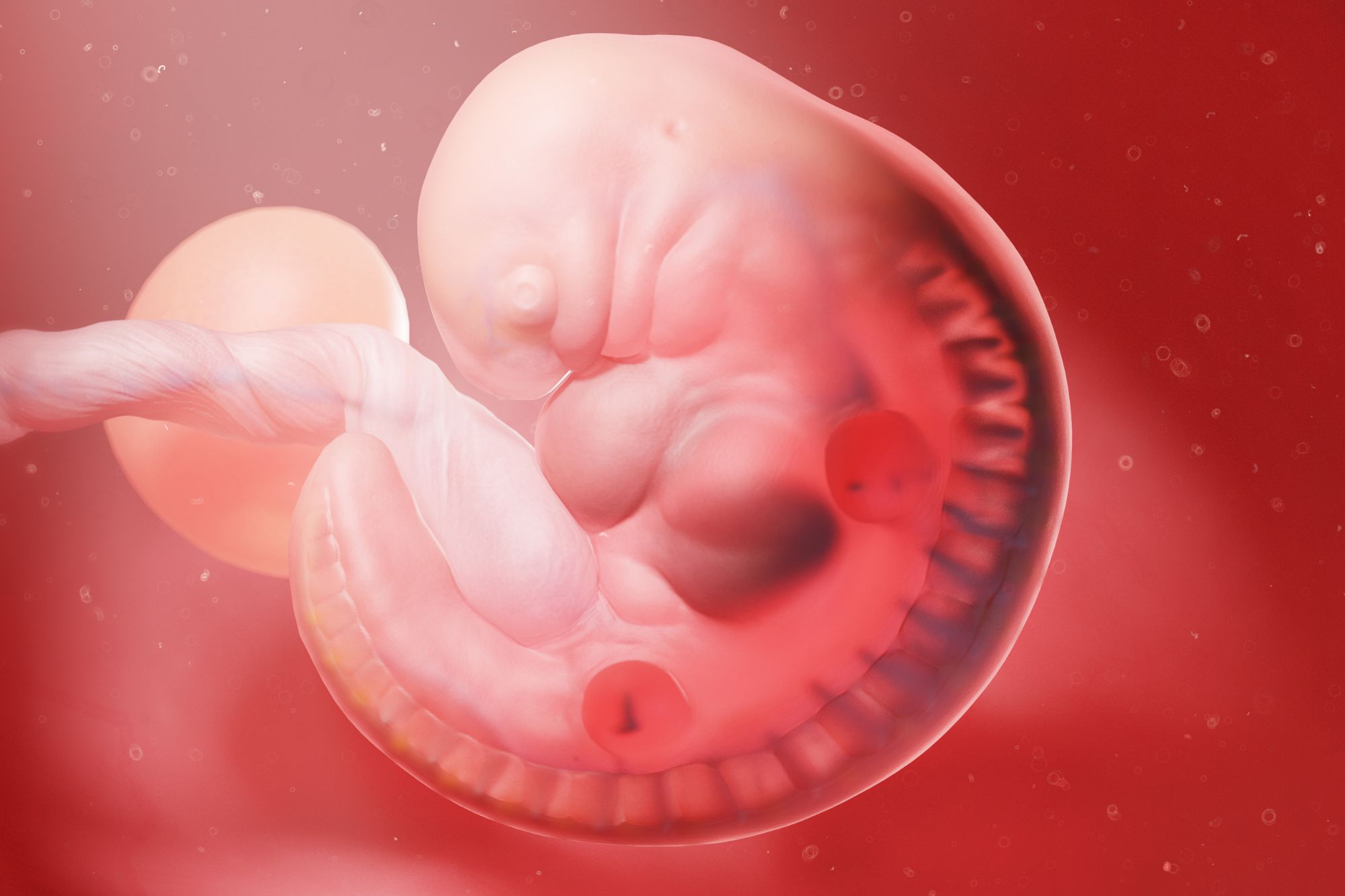
Embryo transfer is one of the most crucial steps in the in-vitro fertilization (IVF) process, as it marks the transition from fertilization to potential pregnancy. This procedure involves placing a fertilized embryo into the uterus to establish a pregnancy. The success of an embryo transfer depends on various factors, including embryo quality, uterine receptivity, and expert execution.
At Dr. Chaitali Taware’s Fertility Clinic, we employ the latest advancements in reproductive medicine to ensure a smooth and successful embryo transfer process, giving hopeful parents the best chance of conceiving.
Understanding Embryo Transfer in IVF
Embryo transfer occurs after fertilization and embryo development, typically between day 3 (cleavage stage) and day 5 (blastocyst stage). The decision regarding the timing of the transfer depends on embryo quality, patient history, and fertility specialist recommendations.
Key Steps in Embryo Transfer:
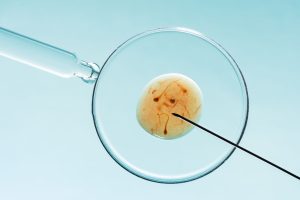
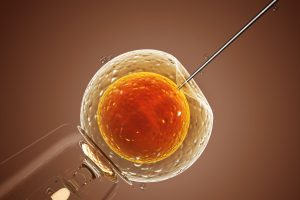
Embryo Culture: After egg retrieval and fertilization, embryos are cultured for 3-5 days in a controlled laboratory environment.
Embryo Selection: High-quality embryos are chosen for transfer based on grading and development.
Uterine Preparation: The patient’s uterus is assessed for optimal receptivity, often supported by hormonal medications such as progesterone.
Embryo Placement: Using a fine catheter, the embryo is carefully transferred into the uterus under ultrasound guidance.
Post-Transfer Care: Patients are advised to rest and follow specific guidelines to optimize implantation chances.
The Embryo Transfer Procedure
1. Preparation Before Embryo Transfer
Endometrial Lining Check: A thick and well-prepared uterine lining increases implantation chances.
Hormonal Support: Medications like progesterone help maintain an ideal uterine environment.
Bladder Fullness: A moderately full bladder enhances ultrasound visibility during the transfer.
2. The Embryo Transfer Process
A fine catheter loaded with embryos is inserted into the uterus.
Under ultrasound guidance, embryos are carefully placed in the uterine cavity.
The procedure is quick, painless, and non-invasive, usually taking about 10-15 minutes.
3. Post-Transfer Guidelines
Patients should rest for a few hours after the procedure.
Avoid strenuous activities and maintain a healthy, balanced diet.
Continue hormonal support medications as prescribed.
Pregnancy tests are scheduled 10-14 days after transfer.
Fresh vs. Frozen Embryo Transfer
Patients may undergo either fresh or frozen embryo transfer (FET) based on their treatment plan:
Fresh Transfer: Embryos are transferred immediately in the same cycle as egg retrieval.
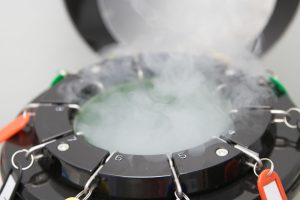
Frozen Transfer (FET): Embryos are cryopreserved and transferred in a future cycle when the uterine environment is optimal.
Factors Affecting Embryo Transfer Success
Several factors influence the success of an embryo transfer, including:
Embryo Quality: Higher-grade embryos have better chances of implantation.
Uterine Receptivity: A well-prepared endometrial lining enhances success rates.
Number of Embryos Transferred: Single embryo transfer (SET) reduces the risk of multiple pregnancies while maintaining high success rates.
Lifestyle Factors: A healthy diet, stress management, and avoiding alcohol/smoking improve implantation outcomes.
Risks and Considerations
Although embryo transfer is a safe procedure, potential challenges include:
Failed Implantation: Some embryos may not implant despite optimal conditions.
Ectopic Pregnancy: In rare cases, embryos may implant outside the uterus.
Multiple Pregnancies: Transferring multiple embryos increases the chances of twins or triplets.
At Dr. Chaitali Taware’s Fertility Clinic, we carefully assess each patient’s case to minimize risks and enhance success rates.
How Dr. Chaitali Taware Ensures a Successful Embryo Transfer
Dr. Chaitali Taware, with her vast experience in fertility treatments, offers:
Comprehensive embryo grading and selection to choose the best embryos.
State-of-the-art embryo culture techniques for optimal embryo development.
Personalized uterine preparation plans to enhance implantation chances.
Advanced frozen embryo transfer protocols for patients requiring delayed transfer.
Conclusion
Embryo transfer is a pivotal step in IVF, requiring expert care and precision. With the latest advancements and guidance from Dr. Chaitali Taware, patients can maximize their chances of achieving a successful pregnancy.
If you are considering IVF or need expert fertility advice, schedule a consultation at Dr. Chaitali Taware’s Fertility Clinic today and take the next step toward parenthood.