Intracytoplasmic Sperm Injection (ICSI): A Breakthrough in Fertility Treatment
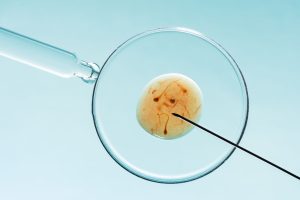
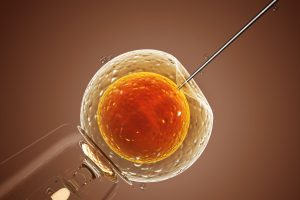
Intracytoplasmic Sperm Injection (ICSI) is a specialized form of in-vitro fertilization (IVF) that offers hope to couples struggling with male infertility. This revolutionary technique involves the direct injection of a single sperm into an egg, significantly increasing the chances of successful fertilization.
At Dr. Chaitali Taware’s Fertility Clinic, we specialize in ICSI procedures, offering cutting-edge technology and expert guidance to couples seeking fertility solutions. With years of experience in reproductive medicine, Dr. Chaitali Taware provides personalized treatment plans tailored to each patient’s needs.
Understanding ICSI
ICSI is primarily used in cases of male infertility, where conventional fertilization methods may not be effective. It ensures that even men with low sperm count, poor sperm motility, or abnormal sperm shape have the opportunity to father a child.
When is ICSI Recommended?
Severe Male Factor Infertility: Low sperm count, poor motility, or abnormal morphology.
Previous IVF Failures: If fertilization failed in prior IVF cycles.
Obstructive Azoospermia: When sperm is retrieved surgically due to a blockage.
Unexplained Infertility: When no clear cause of infertility is identified.
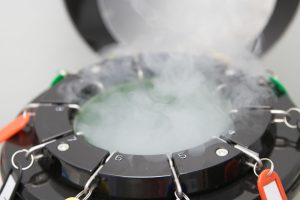
Frozen Sperm Use: When using previously cryopreserved sperm.
Genetic Disorders: In cases where preimplantation genetic testing (PGT) is needed.
The ICSI Process
The ICSI treatment process involves several steps, each crucial to achieving successful fertilization and pregnancy.
1. Ovarian Stimulation and Egg Retrieval
The female partner undergoes controlled ovarian stimulation using hormonal medications to produce multiple eggs.
Once the eggs are mature, they are retrieved via a minimally invasive procedure.
2. Sperm Collection and Preparation
A semen sample is collected from the male partner.
If needed, sperm can be retrieved surgically through TESA (Testicular Sperm Aspiration) or PESA (Percutaneous Epididymal Sperm Aspiration).
The sperm is washed and prepared for selection.
3. Microinjection of Sperm into the Egg
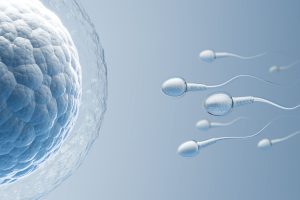
Using a high-powered microscope and micromanipulation tools, a single healthy sperm is injected into the cytoplasm of an egg.
This process bypasses natural fertilization barriers, increasing the chances of successful fertilization.
4. Embryo Development and Culture
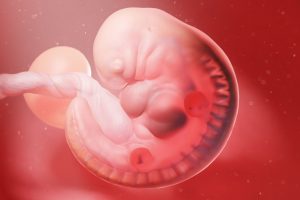
The fertilized eggs are cultured in a lab for 3-5 days, allowing them to develop into embryos.
Blastocyst culture may be performed for better embryo selection.
5. Embryo Transfer
The healthiest embryo(s) is selected and transferred into the uterus.
A blood pregnancy test is conducted 10-14 days after transfer.
Success Rates of ICSI
The fertilization rate with ICSI is 70-80% per retrieved egg.
Pregnancy rates depend on embryo quality, female partner’s age, and uterine health.
Success rates are higher in younger women and those with good ovarian reserve.
Risks and Considerations
Although ICSI is a highly successful procedure, it does come with some risks:
Egg Damage: The process of injecting sperm can damage some eggs.
Fertilization Failure: While rare, some eggs may not fertilize despite ICSI.
Birth Defects: A slightly increased risk of certain genetic abnormalities has been observed in ICSI-conceived children.
At Dr. Chaitali Taware’s Fertility Clinic, we take every precaution to minimize risks and ensure the best outcomes for our patients.
How Dr. Chaitali Taware Ensures a Successful ICSI Procedure
Advanced sperm selection techniques to choose the best-quality sperm.
State-of-the-art micromanipulation tools for precision in sperm injection.
Comprehensive embryo monitoring to enhance implantation success.
Personalized fertility treatment plans to optimize results.
Conclusion
ICSI is a groundbreaking fertility treatment that has helped countless couples achieve their dream of parenthood. By offering specialized expertise, cutting-edge technology, and compassionate care, Dr. Chaitali Taware’s Fertility Clinic provides the best possible chance of success.
If you are facing male infertility challenges or previous IVF failures, contact us today to learn more about how ICSI can help you build your family.