Advanced Fertility Treatments Tailored to Your Needs: A Comprehensive Guide by Dr. Chaitali Taware
Fertility treatments have come a long way in recent years. With advancements in reproductive medicine, couples facing infertility challenges now have more options than ever before. From traditional treatments like intrauterine insemination (IUI) to cutting-edge procedures such as in vitro fertilization (IVF), the possibilities are vast.
Dr. Chaitali Taware, a highly experienced fertility expert, is committed to providing patients with individualized fertility treatment plans, ensuring the best possible outcomes. She specializes in advanced fertility techniques tailored to the unique needs of each patient, taking a personalized approach to maximize success.
In this blog, we’ll dive deep into advanced fertility treatments that can be tailored to your specific needs. These treatments include IVF, self-IVF, donor IVF, IUI, PGD, ICSI, egg freezing, and more. By understanding these options and the science behind them, you will be better equipped to make informed decisions about your fertility journey.
1. In Vitro Fertilization (IVF): The Gold Standard in Fertility Treatment
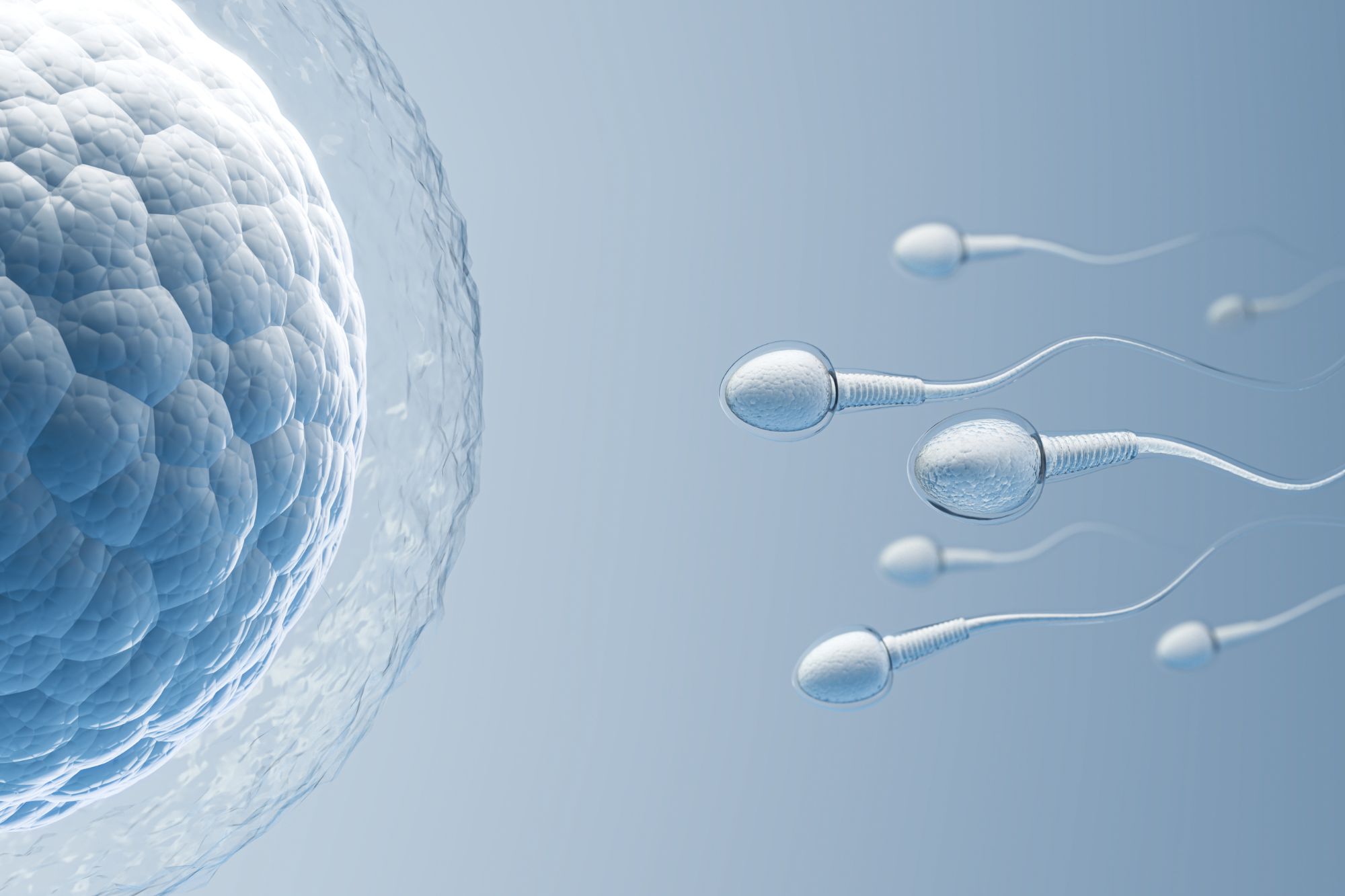
In vitro fertilization (IVF) is one of the most well-known and successful fertility treatments available. IVF involves combining an egg and sperm outside the body in a laboratory, where fertilization takes place. The resulting embryo is then transferred into the woman’s uterus in the hopes of achieving pregnancy.
Why Choose IVF?
IVF is typically recommended when other fertility treatments have not been successful or if there are specific health factors involved, such as blocked fallopian tubes, low sperm count, or unexplained infertility. It’s also an option for women of advanced maternal age who want to increase their chances of a successful pregnancy.
Dr. Chaitali Taware emphasizes a personalized approach when it comes to IVF. Every couple is different, and their fertility journey is unique. By using advanced monitoring techniques, Dr. Taware customizes the IVF protocol to suit each patient’s individual needs, optimizing the chances of success.
2. Self IVF: A Personalized Option for Couples Using Their Own Eggs and Sperm
For many couples, using their own eggs and sperm for IVF is the preferred option. This is known as self IVF. The process of self-IVF is the same as traditional IVF but utilizes the egg and sperm from the intended parents.
When is Self IVF the Right Choice?
Self IVF is often chosen when both partners are healthy and there are no significant fertility issues such as egg quality problems or male infertility. However, some couples may still opt for self-IVF even when certain minor fertility issues exist, as long as they feel confident in their own eggs and sperm.
Dr. Chaitali Taware provides personalized care during this process, ensuring both partners are fully supported throughout the treatment. From ovarian stimulation to egg retrieval, Dr. Taware uses her expertise to monitor hormone levels, egg quality, and sperm health to maximize the chances of a successful pregnancy.
3. Donor IVF: For Couples with Genetic or Fertility Challenges
Donor IVF is an excellent option for individuals or couples who cannot use their own eggs or sperm for fertilization. In these cases, donor eggs, donor sperm, or even both can be used to create an embryo that will then be transferred into the woman’s uterus.
Why Opt for Donor IVF?
There are several reasons a couple might choose donor IVF, including:
Egg or sperm quality issues: If a woman has poor egg quality or the man has low sperm count, donor IVF can offer a solution.
Recurrent IVF failure: For some couples who have undergone multiple unsuccessful IVF attempts, using a donor egg or sperm might provide a higher chance of success.
Genetic concerns: Couples with a known genetic disorder may opt for donor IVF to avoid passing on genetic conditions to their child.
Dr. Chaitali Taware works closely with patients to help them find the right donor. She ensures all donors are thoroughly screened for genetic conditions, ensuring the safety and health of the future child. Dr. Taware provides compassionate counseling to help couples make informed decisions about the donor selection process.
4. Intrauterine Insemination (IUI): A Less Invasive Option
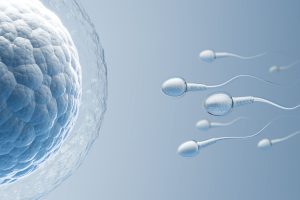
Intrauterine insemination (IUI) is a fertility treatment in which sperm is directly inserted into a woman’s uterus around the time of ovulation. The goal is to increase the number of sperm reaching the egg, improving the chances of fertilization.
When is IUI Recommended?
IUI is a less invasive treatment than IVF and is often recommended for couples with mild infertility issues. It is typically used when:
The woman has regular ovulation, but there are issues with sperm quality, such as low sperm count or poor motility.
There is unexplained infertility.
There is mild endometriosis.
Couples who are using donor sperm.
IUI is a simpler and more affordable option compared to IVF, and many couples find it to be a great first step before moving to more invasive treatments like IVF.
Dr. Chaitali Taware tailors IUI treatments by closely monitoring the woman’s ovulation cycle and ensuring that sperm quality and count are optimized before the procedure. With personalized monitoring and support, IUI can be an effective first-line treatment.
5. Preimplantation Genetic Diagnosis (PGD): Screening for Genetic Conditions
Preimplantation genetic diagnosis (PGD) is a cutting-edge technique used to screen embryos for genetic disorders before they are transferred into the uterus. PGD allows for the identification of chromosomal abnormalities or inherited genetic conditions, ensuring that only healthy embryos are selected.
Why is PGD Important?
PGD is particularly useful for couples who are at risk for genetic disorders or have experienced multiple miscarriages. It can also be used by women over the age of 35, as advanced maternal age is associated with a higher risk of chromosomal abnormalities such as Down syndrome.
Dr. Chaitali Taware provides PGD as part of her comprehensive IVF services, ensuring that only the healthiest embryos are chosen for transfer. This process helps to reduce the risk of genetic diseases and increase the likelihood of a successful, healthy pregnancy.
6. Intracytoplasmic Sperm Injection (ICSI): For Male Infertility
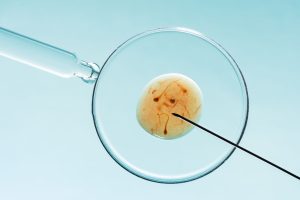
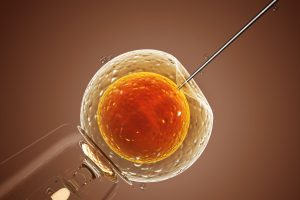
Intracytoplasmic sperm injection (ICSI) is an advanced form of IVF that is used when male infertility is a significant factor. ICSI involves injecting a single sperm directly into an egg to facilitate fertilization.
When is ICSI Used?
ICSI is recommended in cases where the male partner has:
A very low sperm count.
Poor sperm motility.
Abnormal sperm morphology.
ICSI is also used when there are issues with the sperm’s ability to penetrate the egg. This technique ensures that fertilization occurs even in the presence of male infertility factors.
Dr. Chaitali Taware’s expertise in ICSI has helped many couples overcome male infertility challenges, resulting in successful pregnancies. She works closely with her patients to monitor sperm quality and ensure the best possible chances of fertilization.
7. Egg Freezing: Preserving Fertility for the Future
Egg freezing, also known as oocyte cryopreservation, is an option for women who wish to delay pregnancy for personal or medical reasons. In this process, a woman’s eggs are retrieved, frozen, and stored for future use.
Why Consider Egg Freezing?
Career or educational goals: Many women choose to freeze their eggs in their late twenties or early thirties to focus on their careers or education before starting a family.
Medical conditions: Women diagnosed with cancer or other conditions that may affect their fertility in the future often freeze their eggs before undergoing treatments like chemotherapy or radiation.
Advanced maternal age: Egg freezing allows women to preserve eggs when they are at their peak fertility, so they can be used later when they are ready to conceive.
Dr. Chaitali Taware offers egg freezing as part of her fertility preservation services, helping women make proactive decisions about their reproductive health. She provides comprehensive counseling to ensure that women understand the process and have all the information they need to make the best decision for their future.
8. Conclusion: Your Fertility Journey with Dr. Chaitali Taware
Fertility treatment is not a one-size-fits-all solution. Every individual or couple has unique needs, and the journey to parenthood is personal. Dr. Chaitali Taware is dedicated to providing personalized, advanced fertility treatments tailored to your specific circumstances. Whether you’re considering IVF, IUI, egg freezing, donor IVF, or any other fertility service, Dr. Taware’s expertise and compassionate care ensure that you will receive the best possible treatment.
By working closely with Dr. Taware, you can explore all available fertility options, make informed decisions, and embark on a path to parenthood with confidence.
If you’re ready to take the next step in your fertility journey, reach out to Dr. Chaitali Taware’s clinic to schedule a consultation and learn more about the advanced fertility treatments that can help you achieve your dreams of starting or growing your family.