Preimplantation Genetic Diagnosis (PGD): Ensuring a Healthy Pregnancy
Preimplantation Genetic Diagnosis (PGD) is an advanced reproductive technology used in conjunction with in-vitro fertilization (IVF) to screen embryos for genetic disorders before implantation. This cutting-edge procedure significantly improves the chances of a healthy pregnancy, especially for couples with a history of genetic diseases.
At Dr. Chaitali Taware’s Fertility Clinic, we specialize in PGD, providing couples with expert guidance and cutting-edge genetic testing to enhance the likelihood of a successful and healthy pregnancy.
What is Preimplantation Genetic Diagnosis (PGD)?
PGD is a technique that allows embryologists to examine embryos at a genetic level before they are implanted in the uterus. By analyzing a few cells from each embryo, we can identify chromosomal abnormalities, genetic mutations, and hereditary disorders that could affect a child’s health.
Who Can Benefit from PGD?
PGD is recommended for couples who:
Have a Family History of Genetic Disorders: If either partner carries a genetic disease such as cystic fibrosis, sickle cell anemia, or thalassemia.
Are at Risk for Chromosomal Abnormalities: Couples with a history of miscarriages or failed IVF cycles.
Are Advanced in Maternal Age: Women over 35 have a higher risk of chromosomal abnormalities.
Have a History of Recurrent Pregnancy Loss: PGD can help identify embryos with normal chromosomes to reduce the risk of miscarriage.
Undergo IVF with a Desire for Healthy Embryo Selection: PGD improves the chances of selecting an embryo that is genetically normal, increasing implantation success rates.
The PGD Process
The PGD procedure is integrated into the IVF process and involves several steps to ensure the selection of the healthiest embryo.
1. Ovarian Stimulation and Egg Retrieval
The female partner undergoes controlled ovarian stimulation to produce multiple eggs.
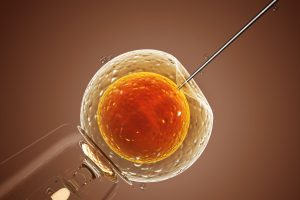
Eggs are retrieved through a minimally invasive procedure and fertilized using IVF or ICSI (Intracytoplasmic Sperm Injection).
2. Embryo Culture and Biopsy
Fertilized embryos are cultured for about five days, reaching the blastocyst stage.
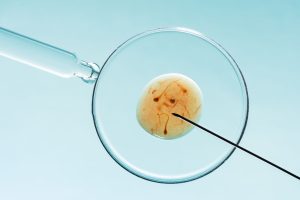
A few cells from each embryo are biopsied for genetic analysis.
3. Genetic Testing
The extracted cells undergo comprehensive chromosomal screening to detect genetic abnormalities.
PGD can test for single-gene disorders, chromosomal translocations, and aneuploidies.
4. Embryo Selection and Transfer
Only genetically normal embryos are selected for implantation.
The selected embryo is transferred into the uterus for a higher chance of a successful pregnancy.
Advantages of PGD
1. Reduces Risk of Genetic Disorders
PGD helps identify embryos carrying harmful genetic mutations, reducing the chances of passing on inherited diseases.
2. Enhances IVF Success Rates
By selecting genetically normal embryos, PGD increases implantation success rates and reduces miscarriage risks.
3. Prevents Recurrent Pregnancy Loss
Many miscarriages occur due to chromosomal abnormalities. PGD ensures only healthy embryos are transferred, lowering the risk of pregnancy loss.
4. Gives Couples Peace of Mind
For couples with a family history of genetic diseases, PGD provides reassurance that their baby will be free from serious genetic conditions.
Risks and Considerations of PGD
Although PGD is a highly effective and safe procedure, it comes with certain considerations:
Embryo Biopsy Risks: There is a small chance that embryo biopsy may affect implantation potential.
Not All Genetic Conditions Can Be Detected: PGD screens for known conditions but cannot guarantee a completely disease-free child.
Ethical Concerns: Some couples may have ethical or religious concerns about embryo selection.
At Dr. Chaitali Taware’s Fertility Clinic, we ensure comprehensive genetic counseling and support to help couples make informed decisions.
Why Choose Dr. Chaitali Taware for PGD?
Advanced Genetic Testing Facilities: We use state-of-the-art technology for accurate embryo screening.
Experienced Team: Dr. Chaitali Taware has extensive expertise in reproductive genetics and IVF treatments.
Personalized Treatment Plans: Each couple receives a tailored approach to maximize pregnancy success.
Comprehensive Fertility Care: We offer a full range of IVF services, including PGD, ICSI, IUI, egg freezing, and donor IVF.
Conclusion
Preimplantation Genetic Diagnosis (PGD) is a powerful tool for ensuring a healthy pregnancy and reducing the risk of genetic disorders. With the expertise of Dr. Chaitali Taware and the latest advancements in reproductive medicine, couples can achieve their dream of parenthood with confidence.
If you are considering IVF and want to explore PGD, contact Dr. Chaitali Taware’s Fertility Clinic for expert consultation and personalized fertility care.