Self IVF vs. Donor IVF: Choosing the Right Fertility Treatment
Infertility challenges can be overwhelming, but advancements in assisted reproductive technologies have opened new doors to parenthood. Among the most effective fertility treatments available today are Self IVF and Donor IVF. Understanding the differences between these two methods and determining which one suits your situation best is essential.
At our fertility center, Dr. Chaitali Taware, a leading expert in IVF treatments, provides personalized fertility solutions to couples and individuals struggling with infertility. Whether you are considering self IVF or donor IVF, our clinic offers cutting-edge technologies, compassionate care, and high success rates to help you on your journey to parenthood.
What is Self IVF?
Self IVF (also known as conventional IVF) is a fertility treatment in which a woman uses her own eggs to achieve pregnancy. This method is suitable for women with a good ovarian reserve and healthy reproductive system.
Ideal Candidates for Self IVF
Women under 40 with good ovarian function
Couples with unexplained infertility
Patients with minor male infertility factors
Women with blocked fallopian tubes
Individuals who prefer a natural or minimal stimulation approach
The Self IVF Process
Ovarian Stimulation: Hormonal injections stimulate the ovaries to produce multiple eggs.
Egg Retrieval: The mature eggs are retrieved using ultrasound-guided aspiration.
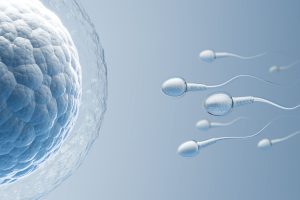
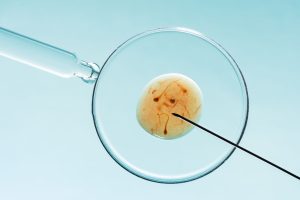
Fertilization: The retrieved eggs are combined with sperm in a laboratory setting.
Embryo Culture: The fertilized eggs develop into embryos over several days.
Embryo Transfer: A high-quality embryo is transferred into the uterus for implantation.
Pregnancy Test: After two weeks, a blood test confirms pregnancy.
Advantages of Self IVF
Allows couples to conceive using their genetic material
Controlled treatment plan based on individual response
Higher success rates for younger women with good ovarian reserve
Less expensive than donor IVF
Challenges of Self IVF
Lower success rates for women with poor egg quality
Risk of ovarian hyperstimulation syndrome (OHSS)
May require multiple cycles for successful pregnancy
What is Donor IVF?
Donor IVF is an advanced fertility treatment where eggs from a healthy, screened donor are used to help individuals or couples conceive. This method is recommended for women who cannot produce viable eggs due to age, medical conditions, or genetic disorders.
Ideal Candidates for Donor IVF
Women with diminished ovarian reserve
Women over 40 with poor egg quality
Patients with a history of multiple failed IVF cycles
Women with premature ovarian failure or early menopause
Individuals with hereditary genetic disorders
The Donor IVF Process
Donor Selection: A healthy egg donor is selected based on medical history, genetic screening, and compatibility.
Ovarian Stimulation for the Donor: The donor undergoes hormone therapy to stimulate egg production.
Egg Retrieval: The donor’s mature eggs are retrieved for fertilization.
Fertilization: The donor eggs are fertilized with sperm in the lab.
Embryo Transfer: The best embryo is transferred into the recipient’s uterus.
Pregnancy Test: A blood test is performed after two weeks to confirm pregnancy.
Advantages of Donor IVF
Higher success rates due to the use of young, healthy donor eggs
Suitable for women who cannot produce their own viable eggs
Reduces the risk of genetic disorders passed from mother to child
Increases chances of a healthy pregnancy and live birth
Challenges of Donor IVF
Emotional and psychological considerations for using donor eggs
Higher costs compared to self IVF
Need for legal and ethical considerations in donor selection
Comparing Self IVF and Donor IVF
Factor
Self IVF
Donor IVF
Egg Source
Own eggs
Donor eggs
Best for
Women with good ovarian reserve
Women with low ovarian reserve or genetic concerns
Success Rates
Depends on egg quality and age
Higher due to young, healthy donor eggs
Cost
Lower than donor IVF
Higher due to donor compensation and screening
Emotional Aspect
Genetic connection to child
May require emotional adjustment
Treatment Complexity
Requires ovarian stimulation
Easier for the recipient
How to Choose the Right IVF Treatment?
Choosing between Self IVF and Donor IVF depends on several factors:
Ovarian Reserve: Women with a good ovarian reserve may opt for self IVF, while those with poor egg quality may consider donor IVF.
Age Factor: Women over 40 often have better success with donor IVF due to declining egg quality.
Medical History: Women with conditions like premature ovarian failure may require donor IVF.
Genetic Concerns: If there is a risk of passing genetic diseases, donor IVF can provide a healthier alternative.
Emotional Preparedness: It’s essential to consider the emotional impact of using donor eggs versus self IVF.
Dr. Chaitali Taware’s Expertise in IVF Treatments
With extensive experience in fertility treatments, Dr. Chaitali Taware provides a personalized approach to each patient, ensuring the best treatment plan based on medical history, fertility goals, and emotional considerations. Her expertise includes:
Comprehensive fertility evaluation to determine the best treatment option
State-of-the-art laboratory techniques for high success rates
Advanced donor egg programs with rigorous screening
Personalized care and emotional support throughout the IVF journey
Ethical and transparent treatment plans tailored to each patient’s needs
Conclusion
Both Self IVF and Donor IVF are effective fertility treatments, each with unique advantages and considerations. While Self IVF allows couples to conceive using their own eggs, Donor IVF offers hope to those who cannot produce viable eggs. Choosing the right treatment requires careful evaluation of ovarian reserve, age, medical conditions, and personal preferences.
At Dr. Chaitali Taware’s Fertility Clinic, we are committed to helping you achieve your dream of parenthood with the most advanced, ethical, and compassionate fertility treatments. If you are struggling with infertility, book a consultation today and take the first step towards a successful pregnancy.